

Famously dubbed the “Niagara Falls of the Philippines,” the Tinuy-an Falls is a jaw-dropping spectacle. We head deep into the lush rainforest of Bislig City, Surigao del Sur, to unpack everything you could possibly need to know about the undisputed heavyweight champion of Philippine cascades.

Time to read:
Table of Contents
Measuring a staggering 95 meters wide and plummeting down 55 meters, the Tinuy-an Falls holds the crown as the widest waterfall in the country. But before you book your flights and manifest that perfect Instagram travel aesthetic, let’s dive into the history, local legends and survival logistics that make this ecotourism hub so special.
🌊 The Drama Behind the Name: A Historic Legend of Liberation
If you think Tinuy-an is just a random collection of syllables, think again. The etymology of the name tells a legendary story of sheer brilliance and indigenous badassery.
The name finds its linguistic roots in the Cebuano word tinuy-an, which literally translates to “an intentional act” or “a place purposely visited (despite its remoteness).” While modern tourism groups sometimes romantically spin the name to mean babalik-balikan (“a place of beauty you intentionally keep returning to”), the oral history passed down by the indigenous Manobo people is far more thrilling.
Centuries ago, the native settlers living around the sacred Magdiwata Mountain were captured and brutally enslaved by a ruthless, rival tribe from the Agusan hinterlands. These natives were subjected to hard labor, forced to build and manually row heavy boats for their tyrannical masters.
Pushed to their absolute limits, the enslaved locals quietly hatched a calculated, top-secret plan for freedom. One fateful day, while rowing their cruel masters across the river on a gakit (a traditional bamboo raft), the natives intentionally steered the vessel right toward the edge of the roaring, multi-tiered precipice. At the exact second the raft reached the brink, the slaves simultaneously dove into the water, giving the raft a massive, coordinated shove into the abyss.
The abusive masters plummeted to their deaths, and the natives successfully won back their autonomy. Because this legendary act of rebellion was executed with precise, life-or-death intent, the cascading waters were named Tinuy-an, honoring the strategic bravery of their ancestors. Today, this heritage is fiercely protected by the local Manobo Tribal Council and commemorated every September during the vibrant, city-wide Tinuy-an Festival.
🗺️ Top Things to Do: Rainbows, Rafts and Epic Treks
Tinuy-an Falls isn’t just a scenic backdrop for a quick selfie; it is a full-throttle ecotourism playground. Here is exactly how to maximize your itinerary:
Catch the Magic Morning Rainbow
Nature operates on a strict schedule here. If you arrive on a clear, sunny morning between 9:00 AM and 11:00 AM, you will witness a breathtaking natural phenomenon—a vivid rainbow forming perfectly across the wall of water, created by the morning sun hitting the heavy, dense mist.
Ride the Bamboo Raft (Gakit)
For a small fee, you can step directly onto a traditional bamboo raft. Local guides will navigate you right into the white-water spray of the main tier. It’s an exhilarating, soaking-wet experience that doubles as an intense, natural water massage.

Conquer the Upper Tiers
Tinuy-an consists of three main visible levels. Do not just stand at the bottom! Hire a local guide to lead you up the steep, built-in flight of steel and stone stairs. Exploring the higher tiers reveals hidden natural pools, panoramic viewpoints and a peaceful escape from the crowds below.
Go Rainforest Birdwatching
Situated within a heavily protected landscape, the surrounding jungle is a biodiversity hotspot. Keep your eyes peeled and your binoculars ready—lucky travelers have spotted rare species like the magnificent Philippine Eagle and the Orange-Tufted Spiderhunter.

From Lu-ann Fuentes-Bajarias, CC BY 4.0
Practical Travel Tips & Survival Logistics
Best Time to Visit
Timing your trip determines what kind of experience you’ll get. The wet season (November to January) unleashes the falls in their ultimate, thunderous, photogenic glory. However, the current can sometimes become too aggressive for safe swimming. Conversely, the dry season (February to May) provides calmer, safer swimming conditions, crystal-clear natural pools, and smoother trekking trails.
How to Get There
Most travelers book flights into either Butuan City or Davao City. From there, hop on a commercial bus bound for Bislig City. Once you arrive in Bislig, you’ll need to hire a habal-habal (motorcycle) or a tricycle for a rugged, 45-minute ride to the park entrance. Pro-tip: Negotiate a round-trip rate with your driver beforehand so they wait for you; you do not want to be stranded in the jungle without a ride home.

Facilities & What to Pack
The park is equipped with basic tourist infrastructure, including designated parking, open-air cottages, picnic tables and restrooms. Local sari-sari stores sell light snacks, but choices are highly limited. Bringing your own packed lunch, water and refreshments is strongly recommended.
As for your gear: a high-quality dry bag is mandatory to save your smartphone from the relentless mist. Throw in a pair of sturdy, non-slip water shoes to safely handle the slippery stone steps, and bring plenty of cash—there are absolutely no ATMs out here in the jungle.
🏨 Where to Stay Near Tinuy-an Falls
Looking for the perfect basecamp to dry off your gear and rest up for your next day of adventure? Cut down your travel time and wake up next to the action. We’re partnering with the top local hospitality spaces in Bislig to offer you premium, commission-free booking pathways.

Are you a resort or hotel owner?
Display your business here, including:
- image thumbnail
- brief description
- link to your own ‘mini-website’ feature page with direct call and message buttons
Click here to see our complete directory of Bislig Resorts and Accommodations.
Explore the Widest Philippine Falls
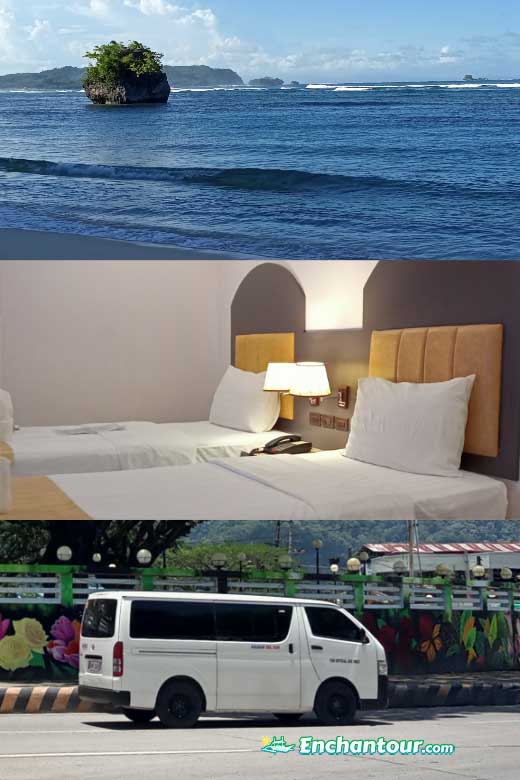
Are you ready to explore the wild side of Bislig City? Seamlessly integrate this stop into a full multi-day Surigao del Sur itinerary, including an unforgettable detour to the famous, deep-blue waters of the nearby Hinatuan Enchanted River! See the tour package below.

Article published
Don’t miss a post about travel destinations
Get notified by email

Latest Book
Discover his latest nonfiction book, 80 Diamond Cuts, which traces the fascinating evolution of diamond cutting across centuries.

 View on Amazon

Leave a Reply